Plant Compatibility Guide

Understanding plant compatibility is essential for creating thriving garden ecosystems. This guide explores how different plants interact and which combinations work best together.

Understanding Plant Relationships

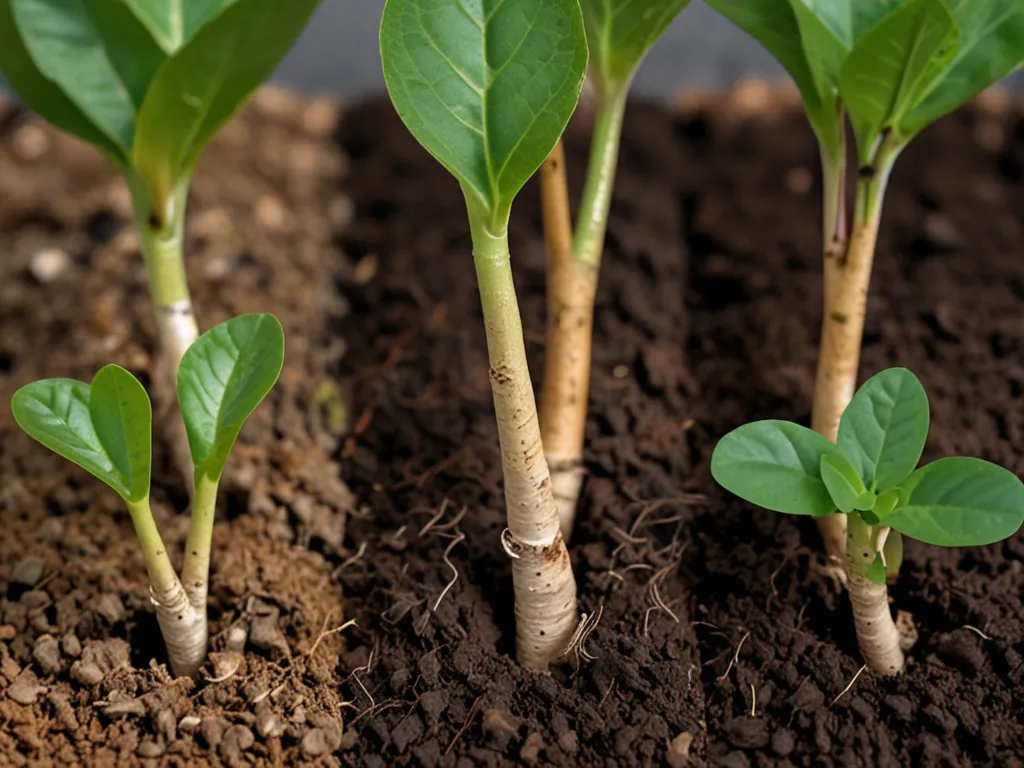
Compatible plants growing together harmoniously

Beneficial Companions

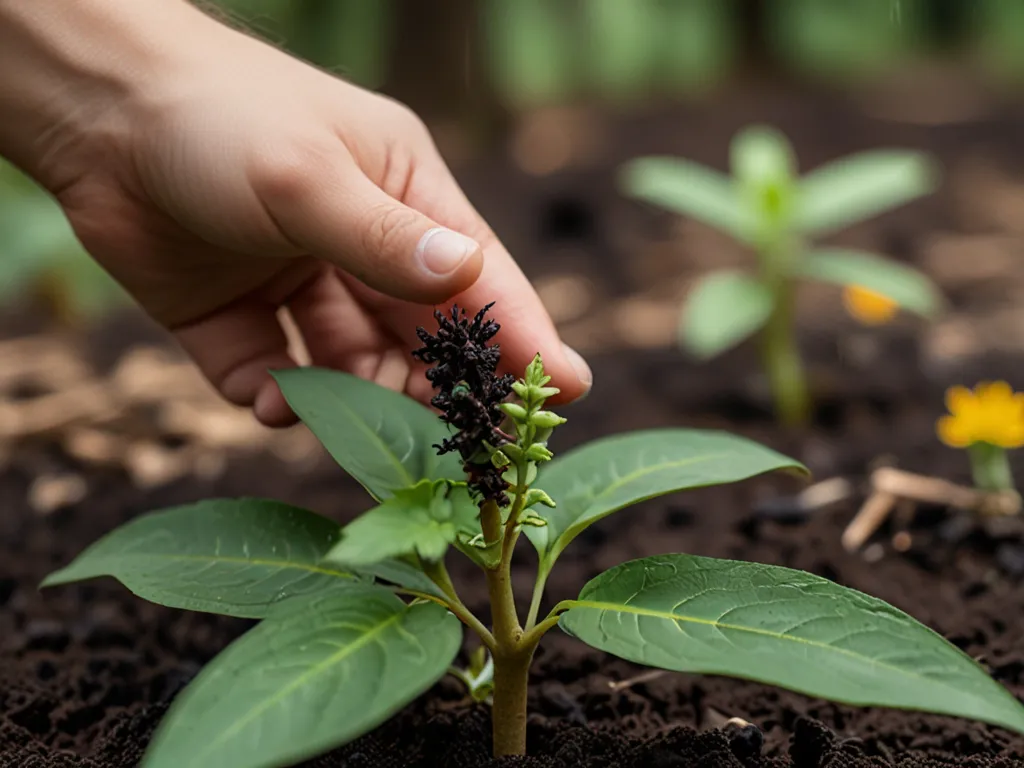
Some plants naturally support each other through nutrient sharing, pest deterrence, or providing structural support. These beneficial relationships create stronger, more resilient garden communities where plants complement each other's growth patterns and resource needs.

Natural Harmony

Common Compatible Plant Combinations

Herb and Vegetable Pairings

Many herbs naturally deter pests that affect vegetables. Basil pairs well with tomatoes, while rosemary complements beans and carrots. These combinations reduce the need for chemical pest control and create more productive growing spaces.

Flowering Plant Communities

Flowering plants with different bloom times can be combined to create continuous color throughout the season. Early spring bulbs work well with summer perennials, while late-season flowers extend visual interest into autumn.

Shade and Sun Combinations

Taller plants can provide beneficial shade for shade-loving species while receiving full sunlight themselves. This creates microclimates that support diverse plant communities in the same garden space.

Factors Affecting Compatibility

Grouping plants with similar water needs simplifies irrigation and prevents overwatering or underwatering. Drought-tolerant plants should be separated from moisture-loving varieties to ensure each receives appropriate care.

Compatibility success rate when matching water requirements

Plants have specific pH requirements, and grouping acid-loving plants with alkaline-preferring varieties can lead to poor growth. Understanding soil pH needs helps create compatible plant groupings.

Fast-growing plants can overwhelm slower-growing varieties if not properly spaced. Consider mature sizes and growth rates when planning plant combinations to prevent overcrowding and resource competition.

Our Methodology

During our consultations, we use a systematic approach to assess plant compatibility. We evaluate multiple compatibility factors including root system depth and spread, nutrient requirements, water needs, growth rates, mature sizes, and allelopathic interactions. We also consider seasonal changes and how plant relationships evolve over time.

Our analysis includes creating compatibility matrices that map which plants work well together, which should be separated, and which can coexist with proper spacing. This methodical approach helps prevent common mistakes such as planting aggressive growers near delicate species or combining plants with conflicting soil pH requirements.

Planning Your Plant Combinations

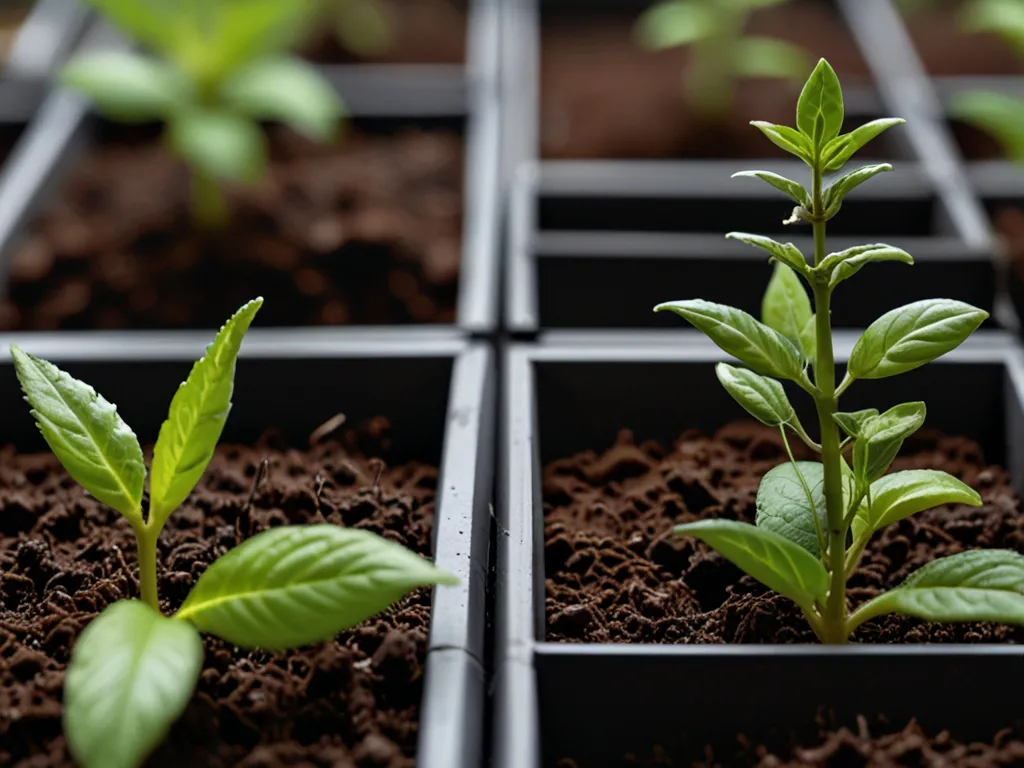
Effective plant compatibility planning involves assessing multiple factors including growth habits, resource needs, and environmental preferences. Our consultation services provide detailed analysis of your specific garden conditions and recommend compatible plant combinations tailored to your space.

We provide written documentation of our compatibility assessments, including specific plant pairings, spacing recommendations, and notes on potential issues to watch for. This documentation serves as a reference guide as you implement the recommendations and maintain your garden over time.

Schedule a Consultation